Photo:
Fiji, an archipelago of 332 islands, is highly vulnerable to climate change impacts, including sea-level rise, intensified cyclones, flooding and saltwater intrusion. The Rewa River Catchment, which supports the major urban centres of Suva and Nausori, is among the country's most flood-prone and climate-exposed regions. Ageing flood management infrastructure, limited hydrological data and fragmented institutional coordination further increase vulnerability to flooding and sedimentation.
The proposed Climate Adaptation in Rewa Delta (CARE) project will strengthen climate resilience in vulnerable communities through integrated investments in climate-resilient infrastructure, ecosystem restoration, institutional capacity and community engagement. Operating across the Rewa River Catchment in Fiji's Central Division, the three-year project will combine structural and non-structural adaptation measures. Planned interventions include rehabilitating 17 floodgates, constructing a climate-resilient intake weir to improve water regulation and reduce sedimentation, undertaking hydrological studies, developing climate-resilient planning tools, strengthening institutional capacity and raising community awareness to improve preparedness and adaptive capacity.
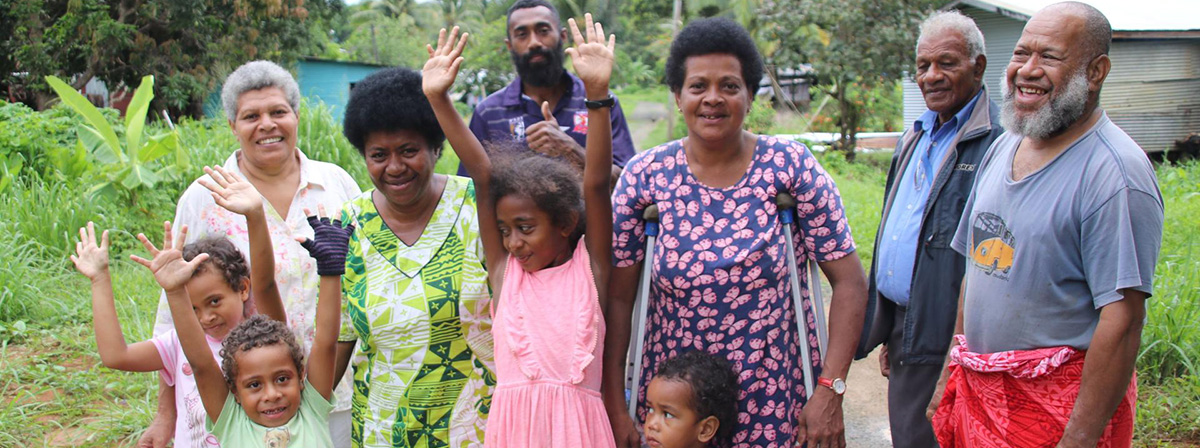
Through these integrated interventions, the project aims to shift flood management from reactive responses to proactive, climate-resilient planning and infrastructure management. It is expected to reduce flood risk, safeguard water resources and protect critical ecosystems across the Rewa Delta. The project is expected to directly benefit 3,573 people while restoring approximately 1,529 hectares of degraded mangroves and watershed forests to strengthen natural flood buffering and support biodiversity conservation.
- Community
- District
- National
- Local Governments
- National Governments
- Non-Governmental Organizations
- Private Sector Partners
- United Nations Development Programme (UNDP)
3,573 direct beneficiaries
- Department of Environment, Government of Fiji
Expected outcomes
Component 1: Institutional and technical capacity building as well as development of a water supply master plan and river hydrological study
Component 2: Climate proofing of water supply infrastructure and flood gates to address flooding and siltation
Component 3: Awareness raising on climate change to empower communities, enhance gender equality and ensured inclusive participation
- Image
- Image
- Image
- Image
- Image
This proposed project is structured around three interlinked components designed to address the institutional, technical, and social barriers that currently limit effective climate adaptation in the Rewa Delta. These components collectively strengthen the enabling environment for climate-resilient infrastructure, enhance institutional and community capacity, and reduce vulnerability of critical assets to climate-induced flooding and sedimentation.
Component 1 establishes the technical and institutional foundation required for climate-resilient planning through hydrological studies, master planning, and institutional capacity strengthening. Component 2 delivers targeted infrastructure investments to restore and climate-proof critical flood management systems, reducing direct exposure to climate hazards. Component 3 strengthens community resilience and adaptive capacity through awareness raising, knowledge sharing, and inclusive participation mechanisms. Together, these components will form an integrated adaptation framework to deliver sustainable and scalable climate resilience outcomes across the Rewa Catchment.
The overall objective of the CARE Project is to enhance inclusive resilience and adaptive capacity of targeted communities within the Rewa River Catchment through climate-resilient infrastructure, ecosystem restoration, community engagement, and institutional strengthening.

Component 1: Institutional and technical capacity building as well as development of a water supply master plan and river hydrological study
Output 1.1: One master plan produced for Suva Nausori Water Supply Scheme
Output 1.2: One hydrological study report on SCCF project area produced
Output 1.3: 13 institutions trained on local adaptation by applying skills in their workflow
Component 2: Climate proofing of water supply infrastructure and flood gates to address flooding and siltation
Output 2.1: Seventeen floodgates repaired to be more climate resilient
Output 2.2: One intake weir constructed with Coanda screen and installed at Savura to address flood risks
Component 3: Awareness raising on climate change to empower communities, enhance gender equality and ensured inclusive participation
Output 3.1: Awareness raising on climate change adaptation for 1,500 community members (of which 50% are women)
Output 3.2: Two digital knowledge products prepared and disseminated across Rewa Delta community members, capturing best practices and lessons learned in advancing gender equality and women’s empowerment.
Karma Rapten, Regional Technical Advisor, Climate Change Adaptation, UNDP karma.rapten@undp.org