
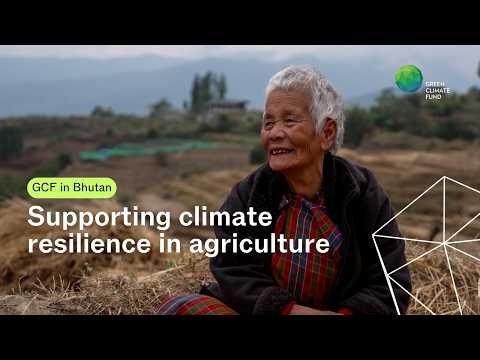
Through a GCF-supported project implemented with UNDP and the Royal Government of Bhutan, climate-resilient irrigation is helping communities strengthen food security, restore farmland and build resilience to climate change.
In Uzbekistan, growing demand for climate information is driving efforts to improve data sharing, coordination and climate risk management.

From Zimbabwe to Madagascar, early warnings are helping families prepare for floods and droughts, protect livelihoods and act before disaster strikes.

In Mongolia, protected water sources, restored pastures and new livestock markets are helping herders build more resilient livelihoods.

From Cambodia’s 1294 early warning system to resilient housing in Viet Nam, practical solutions are helping families prepare for disasters.

For small island developing states, better coastal data can turn climate risks into clearer decisions to protect people and infrastructure.

GCF finance is supporting irrigation, agricultural innovation and farmer-led learning to strengthen livelihoods in southern Zimbabwe.

Armenia, the Kyrgyz Republic and Uzbekistan are increasing the resilience of their water resources through their national adaptation planning.

The partnership will strengthen risk information and data sharing in Cambodia and link early warnings with social protection.
