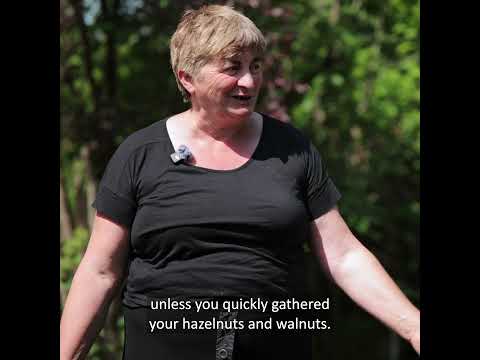


Across Georgia, UNDP is supporting 100 disaster-prone communities to strengthen resilience and adapt to a changing climate. In 45 communities in western Georgia, 55 disaster risk reduction projects have already been implemented, strengthening protection against floods, landslides, and erosion; among them are improved drainage systems, reinforced riverbanks with gabions and riprap berms, cleared and restored river channels, rockfall protection nets, windbreaks, afforestation to stabilise slopes, and retaining walls in landslide-prone areas.
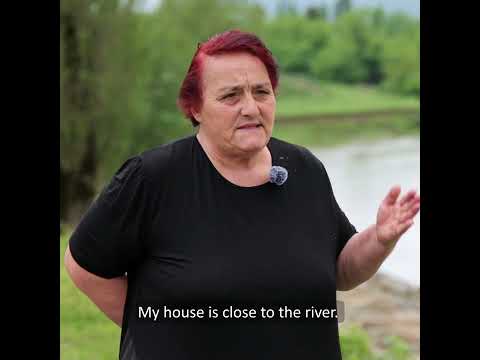
Across Georgia, UNDP is supporting 100 disaster-prone communities to strengthen resilience and adapt to a changing climate. In 45 communities in western Georgia, 55 disaster risk reduction projects have already been implemented, strengthening protection against floods, landslides, and erosion; among them are improved drainage systems, reinforced riverbanks with gabions and riprap berms, cleared and restored river channels, rockfall protection nets, windbreaks, afforestation to stabilise slopes, and retaining walls in landslide-prone areas.
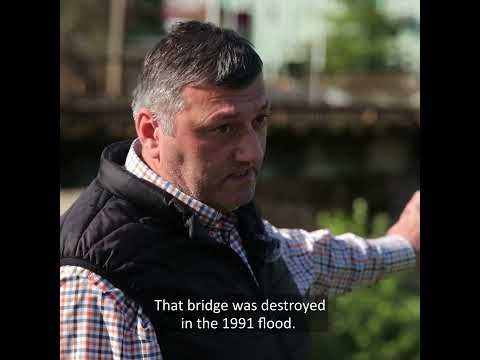
Across Georgia, UNDP is supporting 100 disaster-prone communities to strengthen resilience and adapt to a changing climate. In 45 communities in western Georgia, 55 disaster risk reduction projects have already been implemented, strengthening protection against floods, landslides, and erosion; among them are improved drainage systems, reinforced riverbanks with gabions and riprap berms, cleared and restored river channels, rockfall protection nets, windbreaks, afforestation to stabilise slopes, and retaining walls in landslide-prone areas.