

KIGALI, Rwanda, May 2026 — At this year’s NAP Expo in Kigali, the Adaptation Investment Matchmaking Symposium returned at a larger scale, bringing together governments, climate funds and development partners to help accelerate investment in climate resilience.
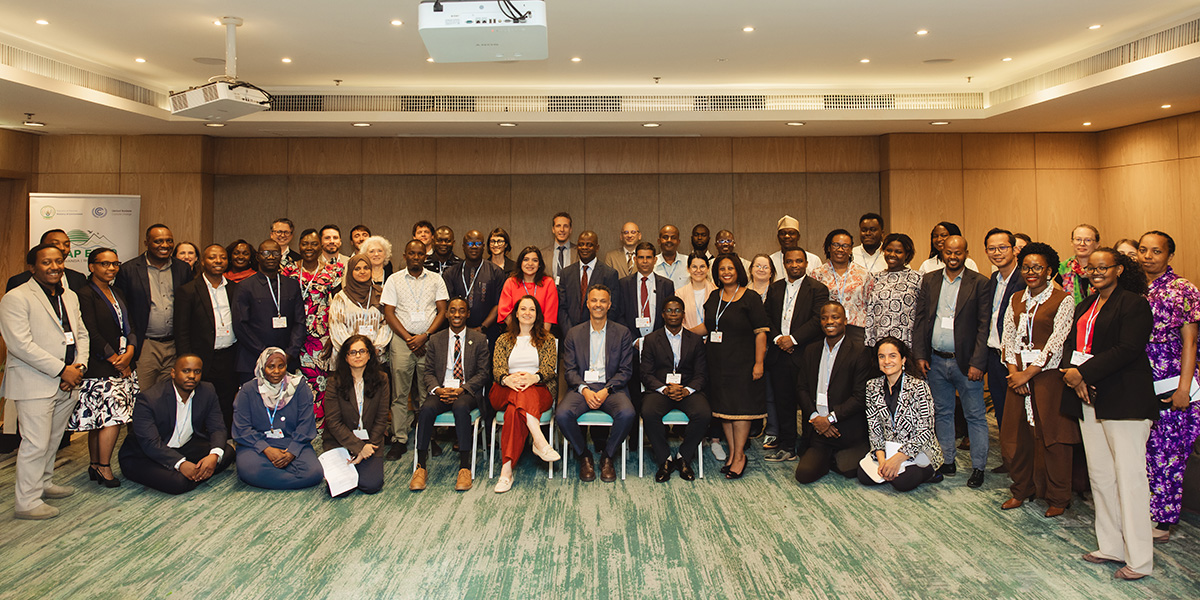
Co-organized by the NAP Global Network and United Nations Development Programme (UNDP) with support from the Governments of Canada and Italy, the Symposium convened representatives from Ethiopia, Mozambique, Egypt, Ghana, Tanzania, Rwanda, Liberia, Nigeria, Senegal, Mauritius, Cambodia and the Central African Republic, alongside major adaptation finance institutions and technical partners. Participating funders and financiers included the Green Climate Fund (GCF), the Adaptation Fund, the Governments of Italy and Germany.
The Symposium created a structured platform for countries and financiers to discuss investment opportunities linked to National Adaptation Plans (NAPs) and Nationally Determined Contributions (NDCs). Following last year’s Symposium in Zambia, the event also contributed to broader efforts under the Adaptation Accelerator Hub (AAH) – led by the Government of Italy with UNDP as partner agency – to support developing countries to strengthen adaptation investment planning, build finance-ready pipelines and accelerate implementation of adaptation priorities. The event also underscored the importance of availing countries these and other types of matchmaking opportunities to connect needs to resources more efficiently.
“As countries continue their NAP implementation journey, mobilizing financiers is paramount. This kind of matchmaking event offers a valuable opportunity to connect countries working on project ideas with development partners and donors and have a direct dialogue,” said Rohini Kohli, Head of Climate Change Adaptation – Policy at UNDP. “The discussion enables receiving on-the-spot feedback while opening up further opportunities to develop the projects beyond the event.”
Many developing countries continue to face major challenges in moving from adaptation planning to implementation, particularly when it comes to accessing finance at the scale and speed required.
“As the impacts of climate change intensify worldwide, there is now an urgent need for countries to mobilize the necessary resources to accelerate the implementation of priority adaptation actions,” said Dr. Orville Grey, Head of the Secretariat for the NAP Global Network, which is hosted by the International Institute for Sustainable Development. “The symposium was a great opportunity to align countries’ adaptation priorities set out in their NAP processes with financing pathways provided by funders to scale up adaptation action. Together with the UNDP and participating countries, we have created space for this matchmaking to bring planning into the financing and implementation realm.”
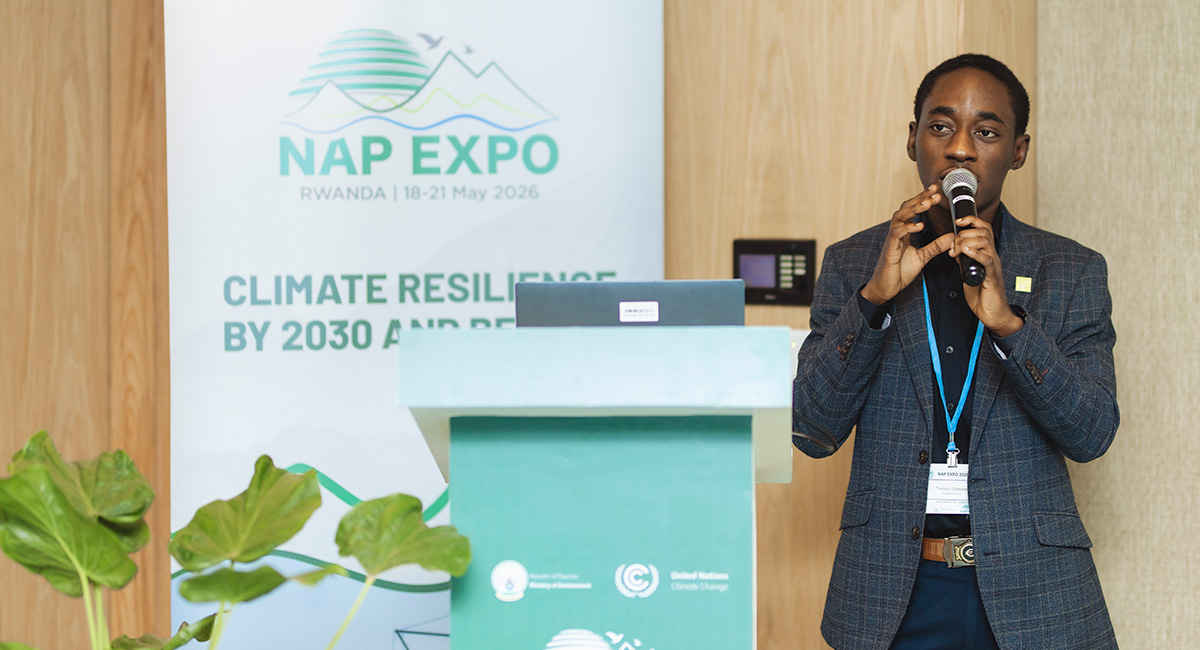
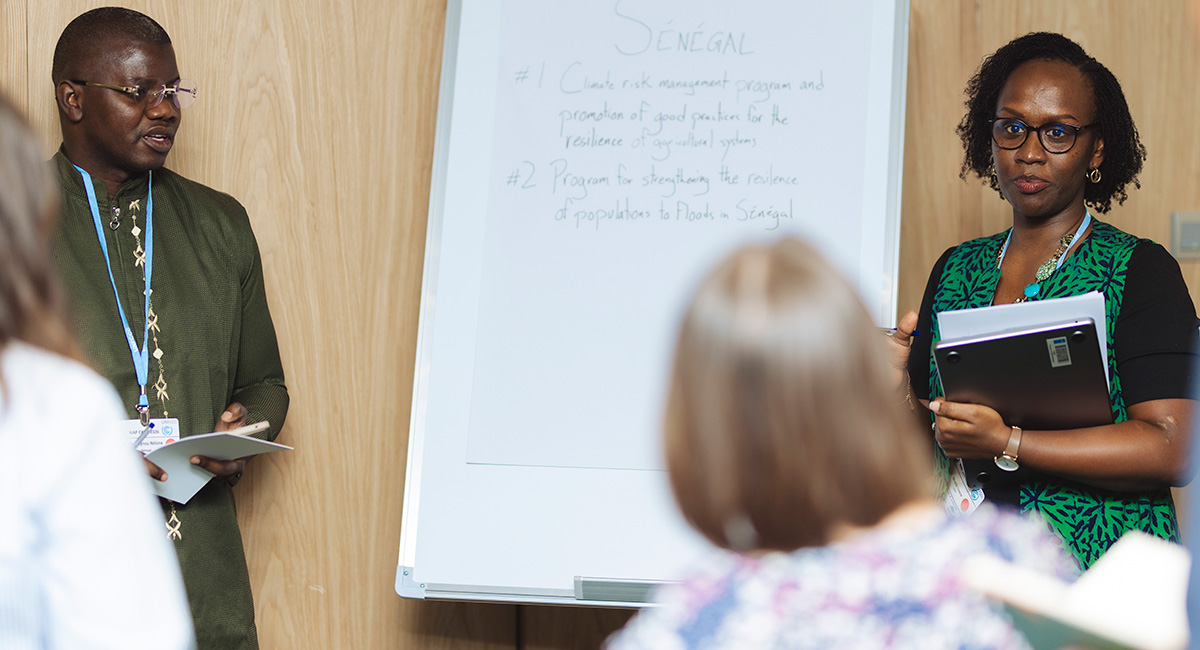
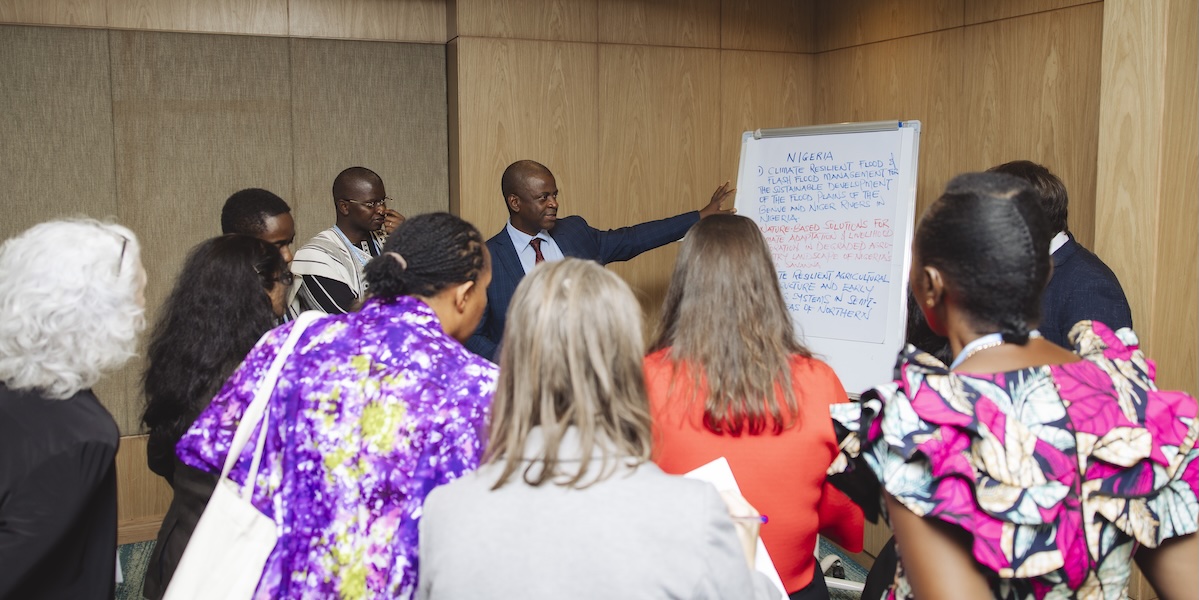
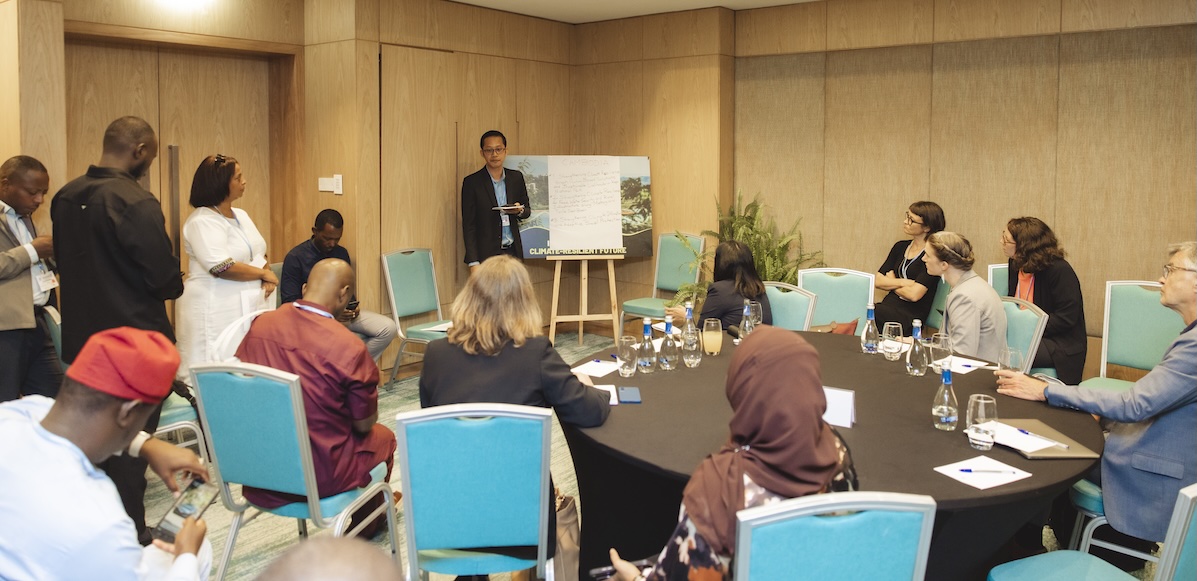
The Symposium aimed to help address this gap through practical discussions between governments, funders and technical partners focused on specific investment opportunities. Across dedicated sessions and interactive “marketplace” activities, countries presented priority adaptation investments, while financing partners outlined their strategic priorities, funding instruments and lessons from existing portfolios.
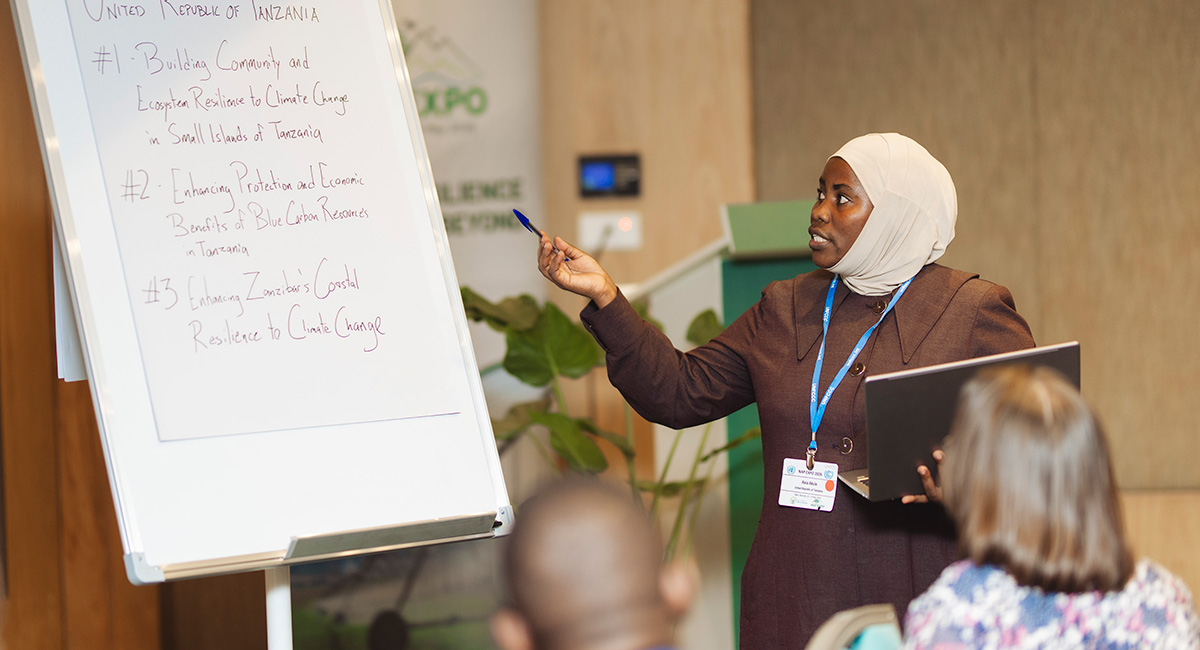
“The NAP Expo, particularly through the Adaptation Investment Matchmaking Symposium session, provided Tanzania with a strategic platform to share national experiences, present draft concept notes, engage with development partners, and foster future collaboration to advance climate resilience,” said Asia Akule, NAP Project Coordinator of the United Republic of Tanzania.
By 2035, developing countries are estimated to require between US$310 billion and $365 billion annually for adaptation — far exceeding current international public finance flows. Closing this gap will require stronger alignment between national priorities and financing mechanisms, more investable project pipelines, and sustained collaboration between governments, financiers and technical partners.
“Country partners presented a very promising set of early-stage concept notes for adaptation projects to implement priorities as articulated through NAP processes,” said Pavlos Troulis, Head of Readiness Programme of the Green Climate Fund. “I look forward to continuing to discuss how the Green Climate Fund can support through Readiness and Project Preparation Facility support. I would also encourage partners to consider how they can identify co-financing, include the private sector where appropriate, and consider a variety of financial instruments that can bring in diverse sources of finance as we see grant financing increasingly constrained.”
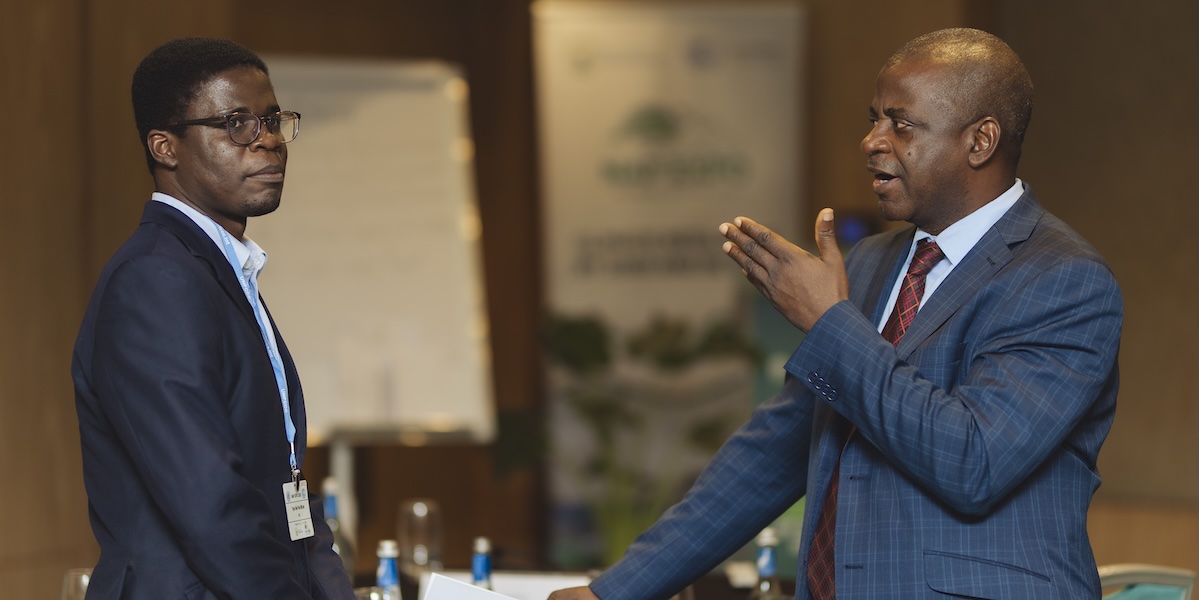
During the marketplace sessions, funders and technical support providers engaged directly with country teams to discuss financing pathways, project preparation needs and opportunities for follow-up support. The discussions also highlighted the importance of coordination across environment, finance and planning ministries to strengthen links between national adaptation priorities and investment planning.
“From the perspective of the Central African Republic, as we have just launched the National Fund for Climate (FONACAR), whose mission includes mobilizing and managing funds intended for the fight against climate change, environmental protection, and natural resources, it was particularly timely to gather feedback and guidance from donors,” said Mr. Bertrand Blaise Nzanga, Technical Director for Central African Republic’s National Fund for Climate (FONACAR), who actively participated in the Symposium. “This allows us to target precisely which projects should receive funding for pilot initiatives, as opposed to large-scale implementation.”
The Symposium formed part of wider efforts to accelerate implementation of NAPs and strengthen access to adaptation finance. Through initiatives such as the Adaptation Accelerator Hub, UNDP and partners are supporting countries to identify financing pathways, strengthen investment readiness and connect with technical and financial partners that can help move adaptation priorities towards implementation.
As climate risks continue to grow, the expanded Matchmaking Symposium demonstrated the value of country-led platforms that bring together governments, funders and technical partners to help accelerate adaptation action and build long-term climate resilience.


EXPLORE MORE STORIES

