SCALA PRIVATE SECTOR ENGAGEMENT FACILITY
The SCALA Private Sector Engagement Facility was launched at COP26 to foster stronger public-private partnerships and dialogue through demand-led approaches based on countries’ national agriculture and land use sector priorities. It sought to identify and help deliver private sector-oriented interventions to engage businesses in supporting the implementation of climate plans - mobilizing resources and developing innovative climate services and solutions.
Over the past five years, the Facility has catalyzed climate action across 11 countries—Belize, Djibouti, Equatorial Guinea, The Gambia, Grenada, the Maldives, São Tomé and Príncipe, Solomon Islands, Somalia, Uzbekistan and Zambia—through more than US$700,000 in targeted grants. This support has helped countries unlock over US$96.5 million in additional investment and forge connections with more than 40 million private and vertical fund programmes.
Initially launched with two global Calls for Proposals, the Facility has gone on to provide support globally in Latin America and the Caribbean, Africa and Central and the Asia Pacific. Countries most often requested support to assess climate risks and identify business opportunities, alongside efforts to strengthen outreach, opportunity mapping and multi-stakeholder engagement.
Thematically, the work has focused on advancing agricultural value chains, market access and financing, promoting renewable energy and circular economy solutions, and scaling nature-based approaches—demonstrating the Facility’s broad impact in driving private sector-led climate adaptation and sustainability.
COUNTRY HIGHLIGHTS AND IMPACT
Somalia
- The facility conducted value chain and ecosystem analyses for sorghum, maize, and sesame—crops representing nearly 40% of national production—to identify climate risks, adaptation options, and investment opportunities. Highlighted potential to scale agroforestry and rainwater harvesting across 500,000+ hectares and strengthen seed systems, processing, and tailored financial products for smallholders.
- Way forward: Findings shaped a US$95M GCF-approved project, the largest FAO-led climate investment, and informed new diagnostics to mobilize US$25M in private and impact finance.
Belize
- The facility support assessed the beef value chain and identified opportunities to shift toward sustainable, silvopastoral livestock systems, benefiting 7,000+ people. The findings highlighted strong market potential for traceability, certification, and Nature-based Solutions to expand high-value domestic markets.
- Way forward: Results are guiding leading conservation and livestock partners to advance sustainable ranching practices and evaluate profit potential. This work feeds into GCF and GEF programmes supporting climate-smart agriculture, low-emission livestock systems, and multi-stakeholder governance.
Equatorial Guinea
- The facility conducted a coconut value chain analysis showing high potential for climate-resilient coconut production and women-led enterprises. The analysis identified the need for technical packages, nature-based solution integration, value-addition opportunities (especially coconut oil), and tailored finance.
- Way forward: Coconut has been prioritized within the country’s US$95M Just Transition Strategy and Gender-Responsive Investment Plan. FAO is also implementing a US$400K GCF readiness programme, which includes an investment plan for climate-resilient coconut production.
Maldives
- The facility completed a market analysis and value chain assessment for MGAP-certified sustainable papaya, identifying strong domestic demand and opportunities in the tourism sector. The market analysis highlighted key constraints in the value chain, such as post-harvest handling, input costs, and market fragmentation, alongside potential for nature-based solutions, like composting.
- Way forward: Findings will inform Island-level Adaptation Plans and the US$3.5M GEF ENDhERI project to support climate-resilient livelihoods. Next steps include identifying investment and market access opportunities for MGAP-certified produce.
São Tomé and Príncipe
- The facility conducted market studies on bioinputs and organic vegetables to support the national ambition of becoming a 100% organic “bio nation.” These market studies identified strong tourism-driven demand and opportunities for certification, quality standards, and private investment in sustainable agriculture.
- Way forward: Findings are shaping a US$5.3M GEF-8 LDCF project on urban flood prevention and circular waste management, including a local bioinputs value chain. A bio value chain concept has been selected for an upcoming national Investment Forum to attract financing.
Djibouti
- The facility analyzed three climate-vulnerable value chains—vegetables, livestock, and artisanal fisheries—identifying strong potential for climate-resilient practices and major gaps in finance and infrastructure. Some of the key solutions suggested include solar irrigation, composting, improved veterinary services, seed production, and innovative financing via CRECs and blended finance.
- Way forward: Insights will shape the GREENING Djibouti Programme, including a GCF agro-pastoral resilience project and GEF-supported water and rangeland management initiative. SCALA’s work provides the evidence base for investment-ready interventions in irrigation, storage, and sustainable livestock/fisheries systems.
Uzbekistan
- The facility conducted a climate risk and value chain assessment in Karakalpakstan for wheat, cotton, and horticulture amid severe land degradation and water scarcity. The assessment identified needs for sustainable land/water management, resilient inputs, and new financial mechanisms to support adaptation investments.
- Way forward: Findings are informing a UNDP Adaptation Fund proposal to strengthen climate-resilient agriculture in the Aral Sea region. The project will pilot scalable adaptation solutions and expand finance access for smallholders.
Zambia
- Assessed opportunities for private sector investment in climate-resilient agriculture across wheat, livestock, groundnuts, soybean, and sunflower value chains, identifying barriers in finance, policy coordination, and extension services, and mapping opportunities such as bundled finance products and post-harvest technologies. In parallel, the Facility supported the design of a catchment-level Payment for Ecosystem Services (PES) mechanism and an environmental trust fund for the Mkushi and Upper Lunsemfwa sub-catchments.
- Way forward: Results of these assessments have informed both a climate resilient agriculture financing component and PES component of a regional Adaptation Fund project submitted by UNDP ‘ Financing Locally Led Adaptation and Nature-based Solutions for Catchment Resilience in Southern Africa, which aims to scale up sustainable financing for nature-based solutions across program countries.
The Gambia
- The facility conducted a national biogas resource assessment with cost–benefit analyses across small, medium, and large sites, identifying high potential at Bakoteh Dumpsite and Market. The assessment demonstrated potential to reduce up to 7,900 tCO₂e annually and generate major savings by replacing fossil fuels with renewable biogas.
- Way forward: Findings were presented at the UNFCCC Global Dialogue and are driving resource mobilization aligned with NDC priorities. UNDP is exploring investment pathways and pilots to build an investment-ready pipeline for biogas.
Solomon Islands
- The facility assessed biogas potential from pig waste and municipal solid waste, identifying opportunities for decentralized clean energy and improved public health. The assessment highlighted investment potential at commercial pig farms and the Ranadi landfill, including community job creation.
- Way forward: Directly informed the US$1.6M SENBIOSIS project, which has been approved by the Government of Italy and will expand biogas investments benefitting 15,000+ people.
Grenada
- The facility conducted a feasibility study evaluating small-scale versus commercial-scale composting to strengthen circular economy solutions. The study found commercial-scale composting offers far greater GHG reduction, waste diversion, and private sector investment potential.
- Way forward: Next steps focus on identifying investment and market opportunities to operationalize commercial composting. The findings went on to support the National Sustainable Development Plan and Grenada’s NAP and NDC targets.
The Facility was open to countries that met the eligibility and selection criteria outlined in the SCALA PSE Facility brief (available at this link), and participating countries requested support based on their specific needs from a broad menu of options. Through this mechanism, SCALA deployed a pool of vetted national and international experts to provide targeted and timely assistance—including technical trainings, studies, workshops, dialogues and roundtables, as well as market and value chain analyses and delivery support on land use and agriculture. SCALA also drew on regional networks, coalitions and research centers to ensure tailored, country-specific support.
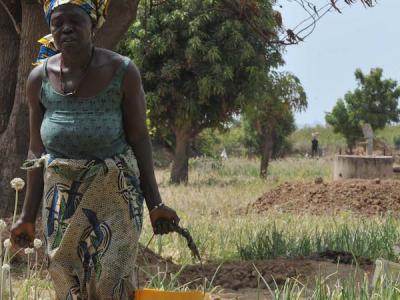
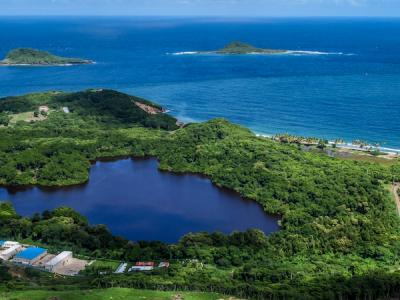
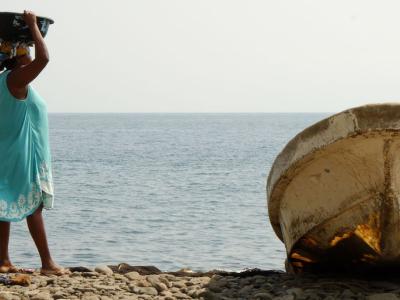
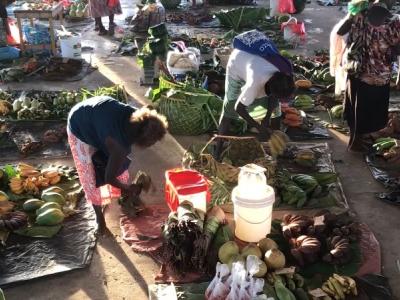
SUPPORTED COUNTRIES

RELEVANT LINKS
For additional details on eligibility and selection criteria, timeline, and expected impacts, kindly refer to the SCALA Private Sector Facility brief.
SCALA Private Sector Engagement Facility Brief
SCALA Private Sector Engagement in climate plans
SCALA Private Sector Engagement Strategy
CONTACTS
Farrah Adam, Private Sector Engagement Officer, UNDP | farrah.deena.adam@undp.org
Neha Rai, Climate Change and Private Sector Specialist, FAO | Neha.Rai@fao.org
SUPPORTED BY