
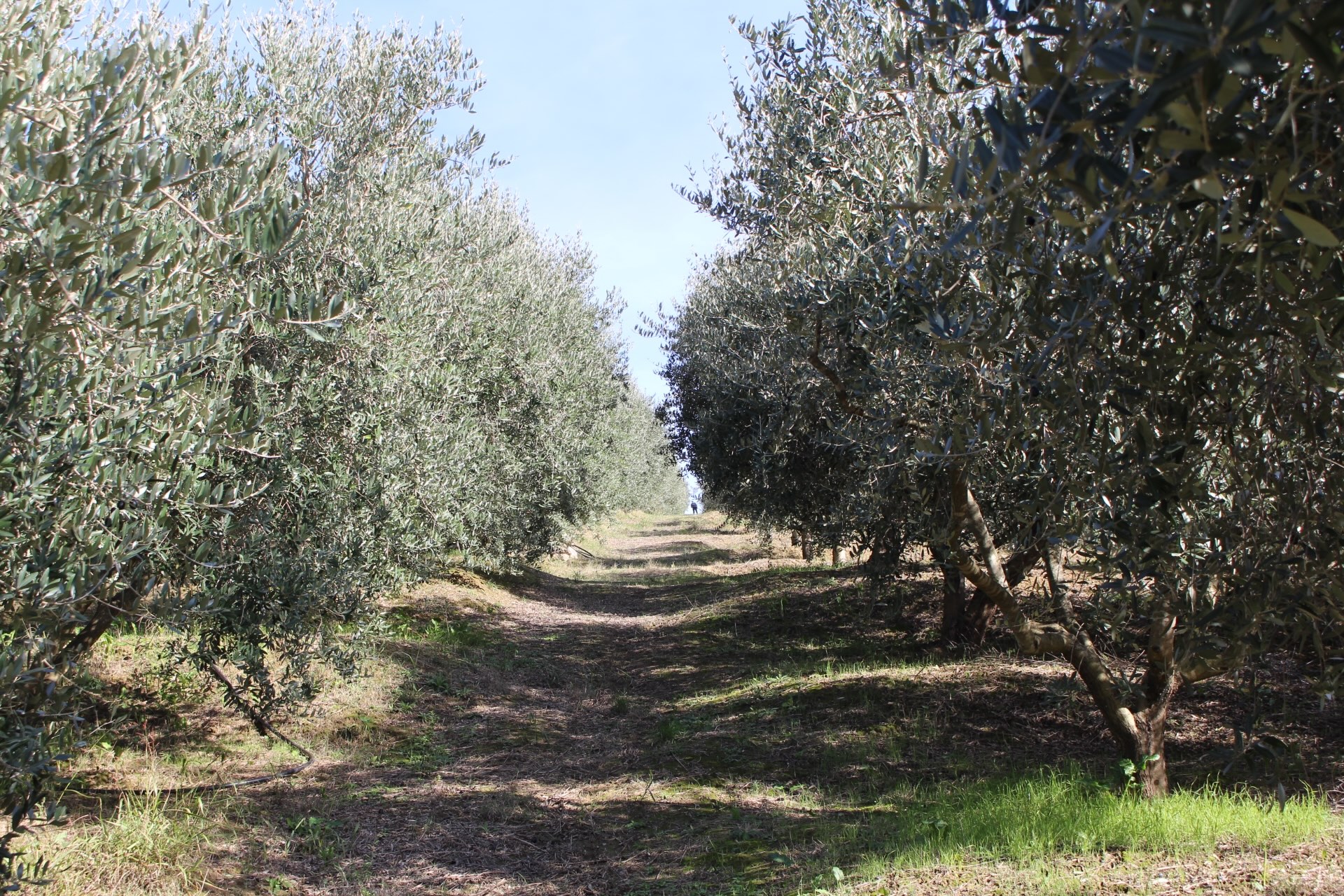
This initiative focuses on soil-based carbon sequestration using shred technologies for olive pruning residues to prevent open-air burning. It also introduces agrivoltaic solutions like solar-powered water pumps to address irrigation and energy deficits. The key outcomes include relieving current pressures on farmers and fostering sustainability and resilience in agricultural practices.
Visit their website: https://www.recshqiperi.org/
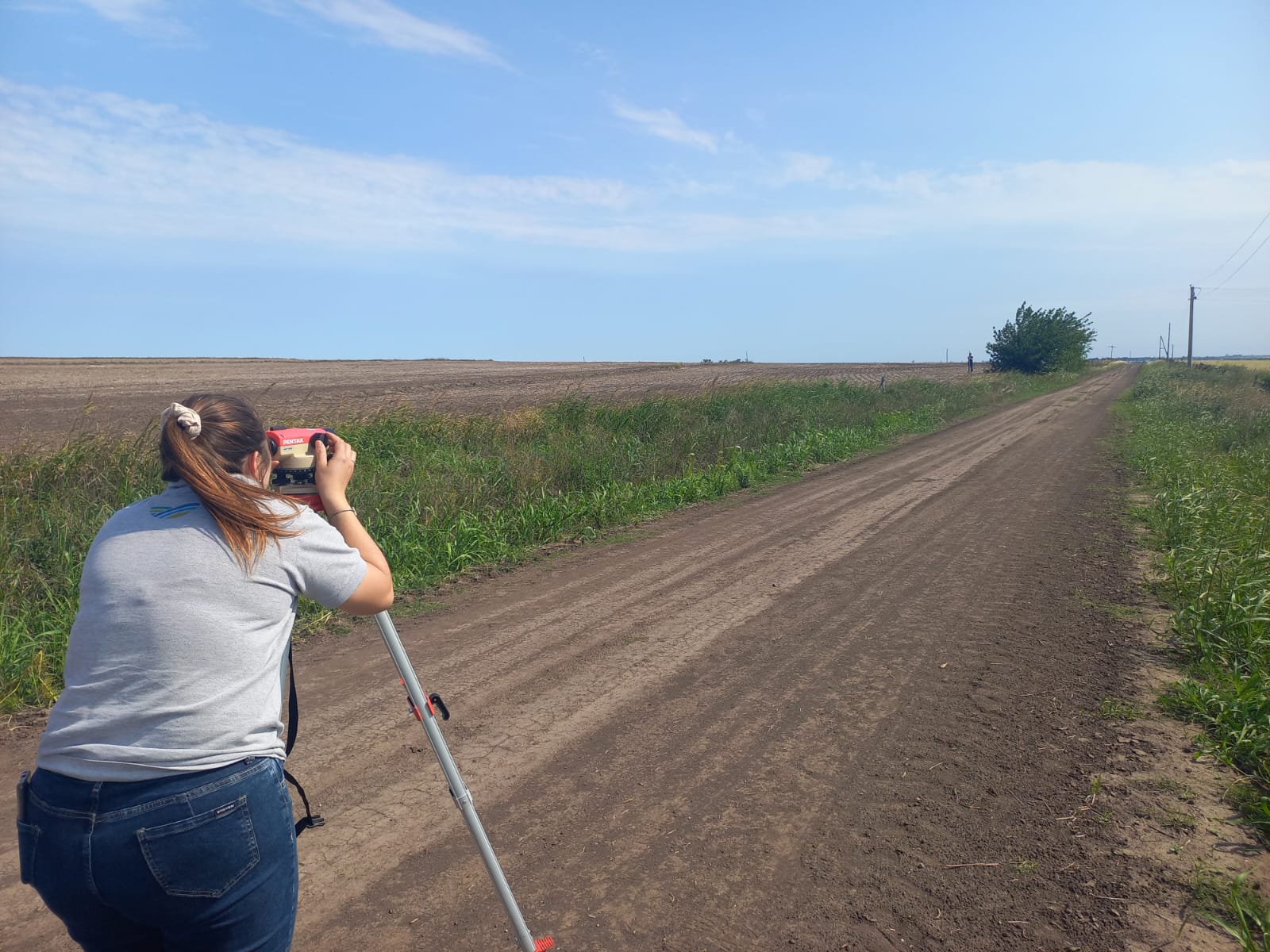
This initiative focuses on land systematization and soil preservation techniques within a water basin, including constructing smooth terraces and collector channels. Key outcomes include environmental benefits, such as reduced soil erosion and improved water quality, as well as public-private advantages, like decreased road maintenance costs and protection of public infrastructure.
Visit their website: https://www.instagram.com/proiectum.fundacion/
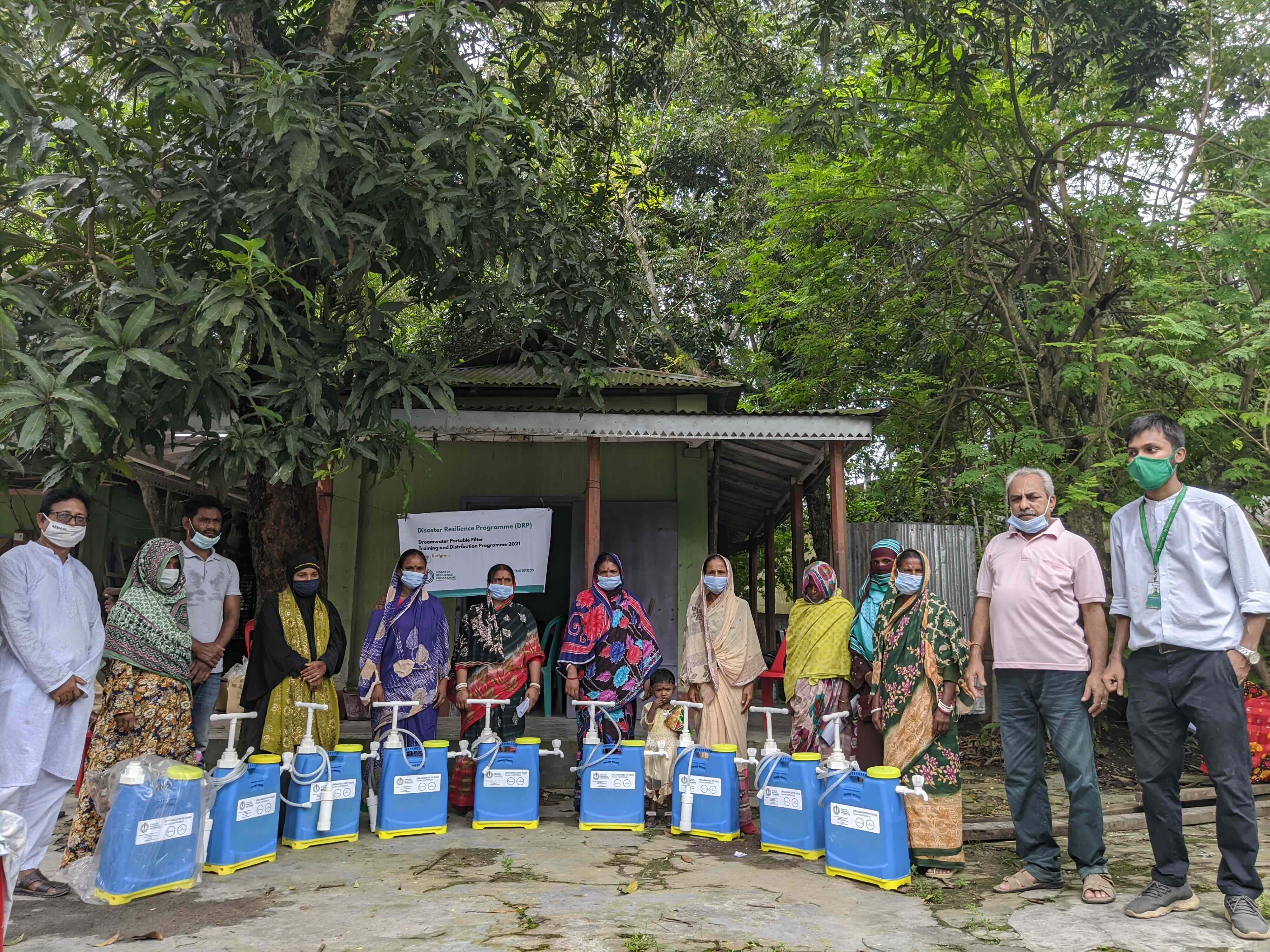
The Dreamwater filter is a portable device which can be carried as a backpack with a potential to convert 15,000 liters of water at a go with its 5 stage UV and ultrafiltration process, removing 99.99 percent of contaminants from water. The filter is operated using a pumping mechanism similar to tubewells. The business model is innovative as it taps into the potential of rural women as entrepreneurs.
Visit their website: https://www.footstepsbd.org/
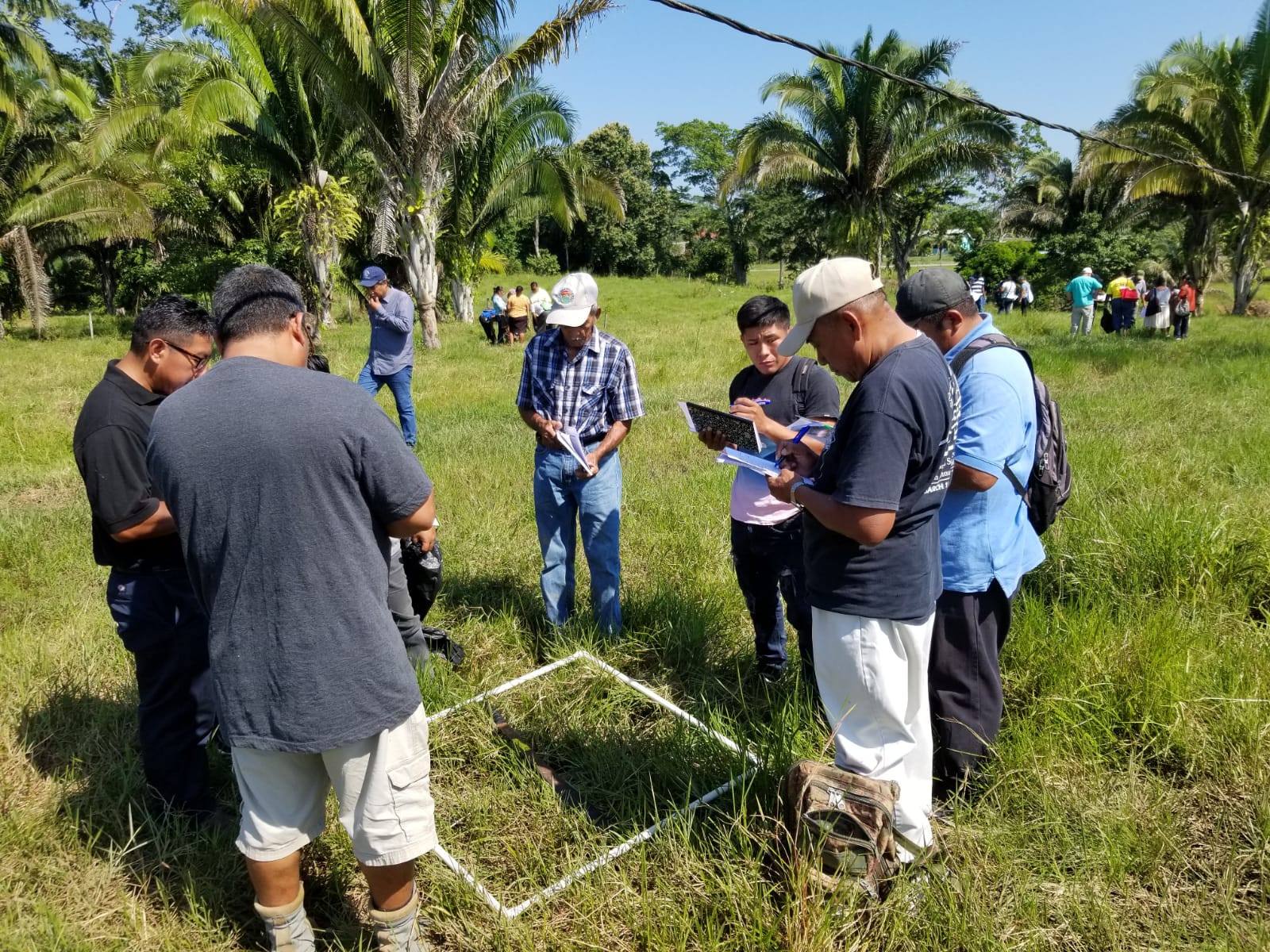
This initiative aims to enhance cattle producers' capacity to adopt climate-resilient practices, improve farm productivity, and elevate their quality of life. By iincorporating a range of best-in-class management practices and technical capabilities, the solution seeks to build resilience for cattle farmers against climate change, ensuring sustainable agricultural practices and improved livelihoods in the face of environmental challenges.
Visit their website: https://belizelivestock.org/
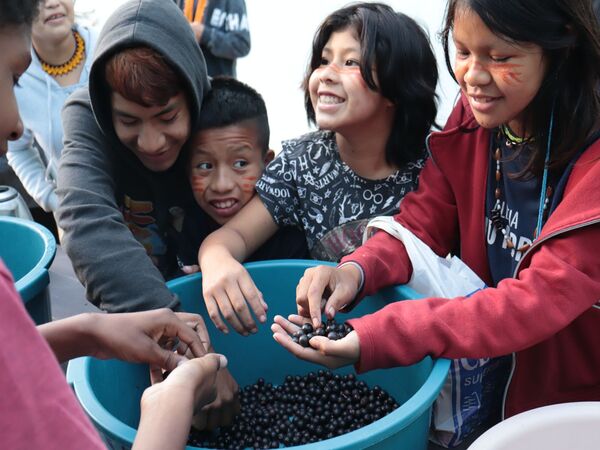
In Southern Brazil, Centro Ecológico supports regenerative agriculture by assisting farmers to cultivate açaí through agroforestry practices. This approach combines açaí production with forest management, benefiting Indigenous and traditional communities by enhancing food security and nutrition, with a focus on 150 households cultivating and harvesting berries.
Visit their website: https://m.centroecologico.org.br/
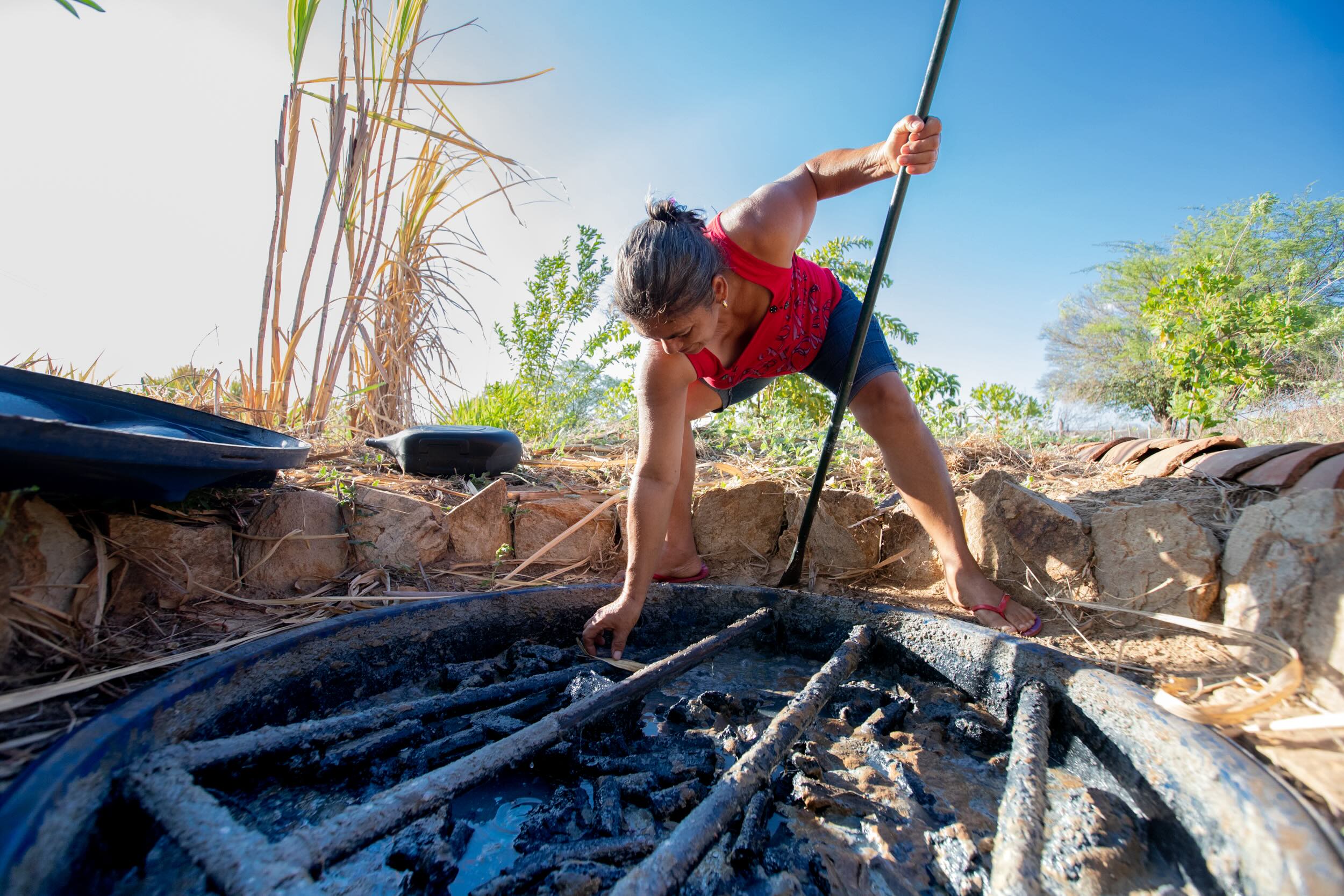
This solution combines capacity building with an integrated greywater reuse system and agroforestry technology to combat drought and food insecurity. Key outcomes include increased water availability for domestic use during the dry season and establishing irrigated agroforestry plots to enhance food security for peasant families.
Visit their website: https://centrosabia.org.br/
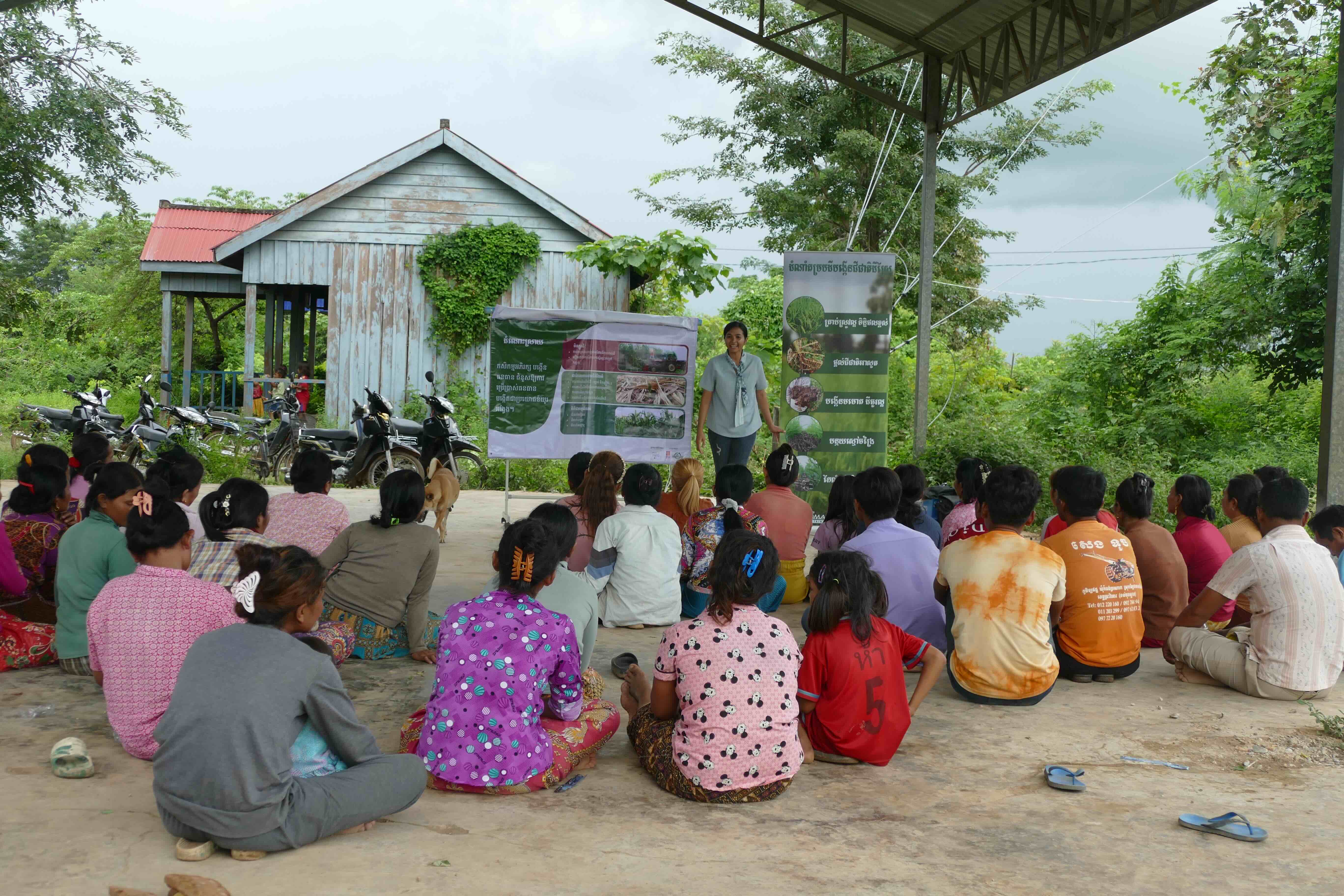
This regenerative agriculture initiative aims to scale the use of cover crops for vital staple crops, increasing farmer profits, enhancing cropping system resilience, reducing food production emissions, and building supply chains for agroecological products. Key outcomes include training 1,000 farmers and improving access to cheaper, high-quality farming inputs.
Visit their website: https://en.heks.ch/
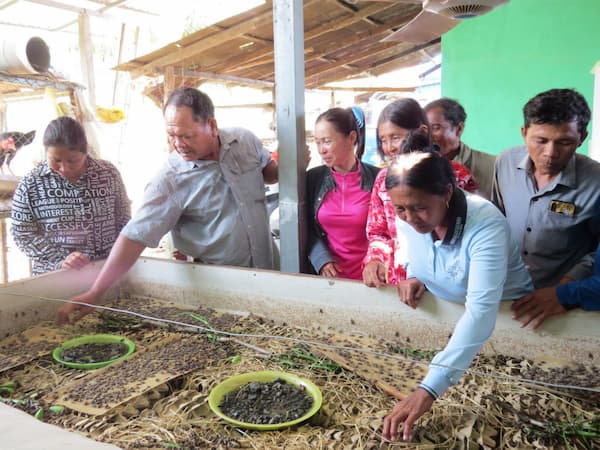
The Livestock Development for Community Livelihood Organization's solution focuses on cricket farming as a strategy to reduce livelihood vulnerabilities from climate change impacts. This solution includes learning sessions on climate-adaptive agriculture, particularly focusing on cricket and chaya farming. The initiative has trained at least 80 new farmers, established 20 new farms, increased household income six-fold with the participating households, and boosted their production yields by 50 percent.
Visit their website: https://celagrid.org
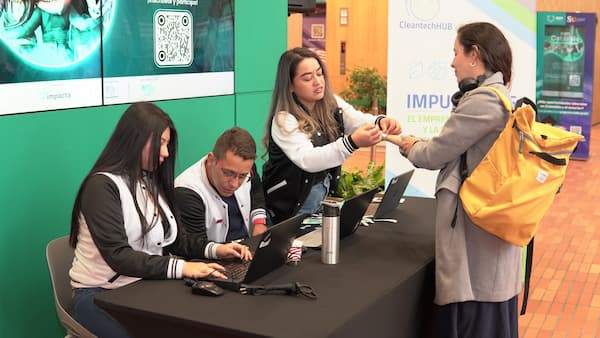
Cleantech Hub solution supports green entrepreneurs and scale-ups, refining business concepts and preparing them for market and investment readiness. The organization collaborates with international partners to expand this model across Latin America and the Caribbean.
Visit their website: https://cleantechhub.net/
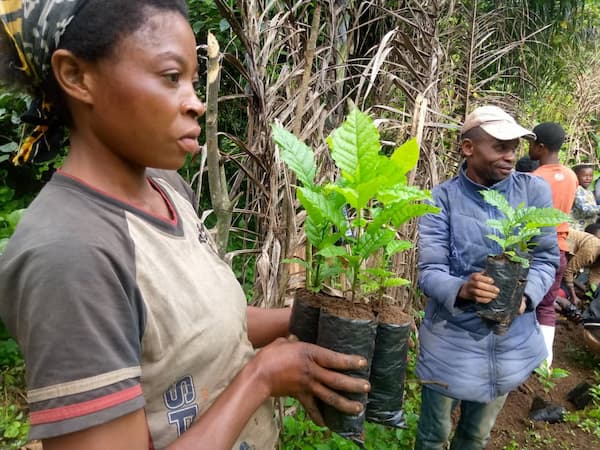
In the Democratic Republic of Congo, PIFEVA is working to enhance the resilience of Indigenous young people and women by restoring biodiversity through planting edible caterpillar trees in deforested community forests. The innovative aspect of this solution is the introduction of edible caterpillar farming and the establishment of an Indigenous cooperative for their sale, providing a sustainable source of income and food security for the community.
Visit their website: https://www.pifeva.org/