The Least Developed Countries Fund (LDCF) is the only global fund dedicated to helping Least Developed Countries adapt to climate change. Managed by the Global Environment Facility, the LDCF supports locally led solutions across agriculture, water, health, infrastructure, and beyond – strengthening systems, scaling finance, and building resilience where it’s needed most. The LDCF has delivered more than $2.35 billion in grants to date – supporting the transition from incremental to transformational adaptation across 51 countries.


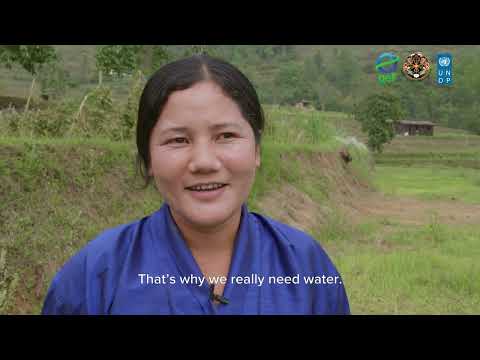
Tsirang district is known as the agricultural hub of Bhutan. As more farmers scale up farm production, the existing water supply schemes are not able to meet the growing demand. Climate change is further aggravating the challlenge--from shrinking water sources to increasing temperatures. But this will soon be a thing of the past. The government with support from UNDP and GEF, has constructed a new integrated water supply scheme that will not only address drinking water shortage but also provide reliable and adequate water for farming.
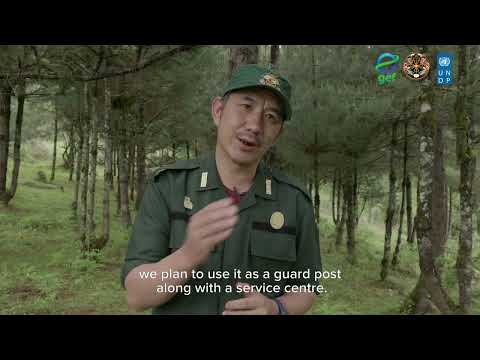
Follow Bhutan’s dedicated rangers as they protect the Shinghtalum watershed in Gasa district. Spanning over 10,000 acres, this vital watershed supplies water to local communities, schools, offices and monastic institutions in Khatoed gewog.
Protecting watersheds means protecting livelihoods, strengthening resilience and safeguarding the local economy.
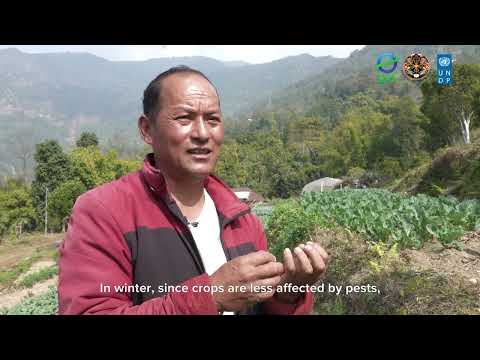
Meet Lhasang Dolma Gishing and Phurpa Moktan from Mendrelgang, Tsirang, where water use efificent technologies are helping farmers grow winter crops, double production and boost income. This was supported through the project, “Advancing Climate Resilience of the Water Sector in Bhutan”, a partnerhsip between the Royal Government of Bhutan, UNDP and the Global Environment Facility. The project is helping three districts— Gasa, Punakha and Thimphu— to address water shoratges and declining water quality, twin trends exacerbated by climate change.