
Representatives from governments, climate funds and development partners convened at NAP Expo 2026 to explore how enhanced coordination and intentional matching of adaptation needs to available financial and technical resources can accelerate the implementation of National Adaptation Plans (NAPs). The session, Exploring New Models of Collaboration and Matchmaking, was organized by the NAP Implementation Alliance, chaired by the Government of Brazil in its role as COP Presidency, and moderated by UNDP.
As climate impacts intensify, developing countries face increasing pressure to implement priorities identified in their NAPs and Nationally Determined Contributions (NDCs). However, significant barriers remain in accessing the technical, institutional capacity, and financial support required to move from planning to action. The session examined diverse matchmaking approaches – including marketplaces, pitch sessions and blended finance labs models – to better connect country-driven priorities with available support. Participants also promoted approaches to align partner coordination more closely with national investment needs.
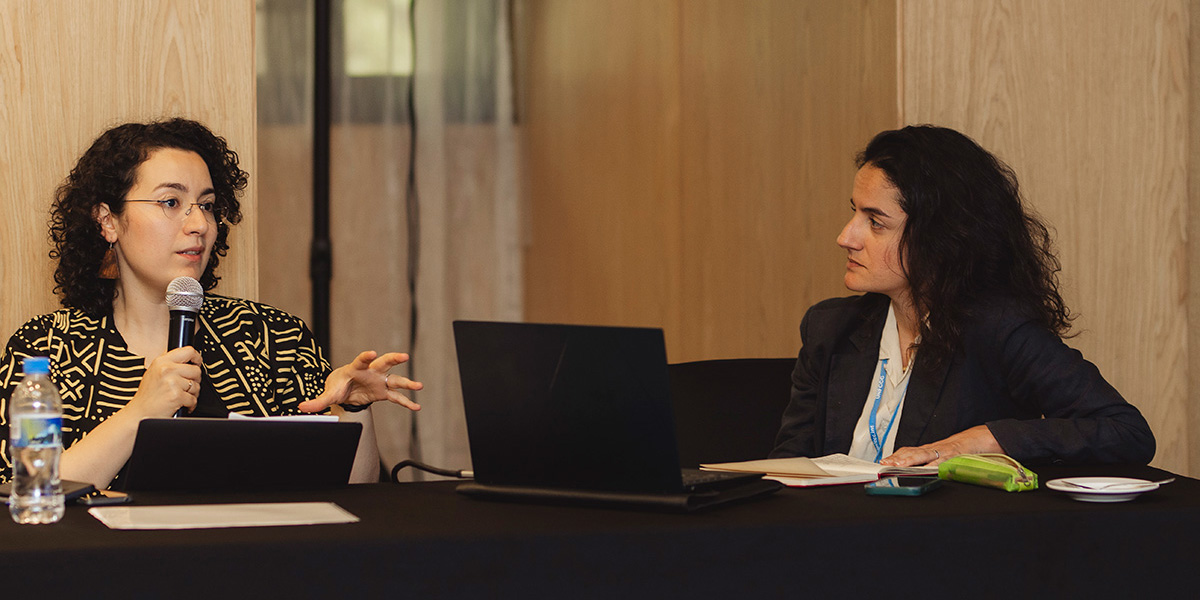
Soha Benchekroun, Senior Advisor for Climate Finance, African and South-South Cooperation, Office of Kenya’s Special Envoy for Climate Change (left), and Teresa Rossi, Adaptation Adviser, Brazil COP Presidency (right). Photo: Mucyo Serge/UNDP
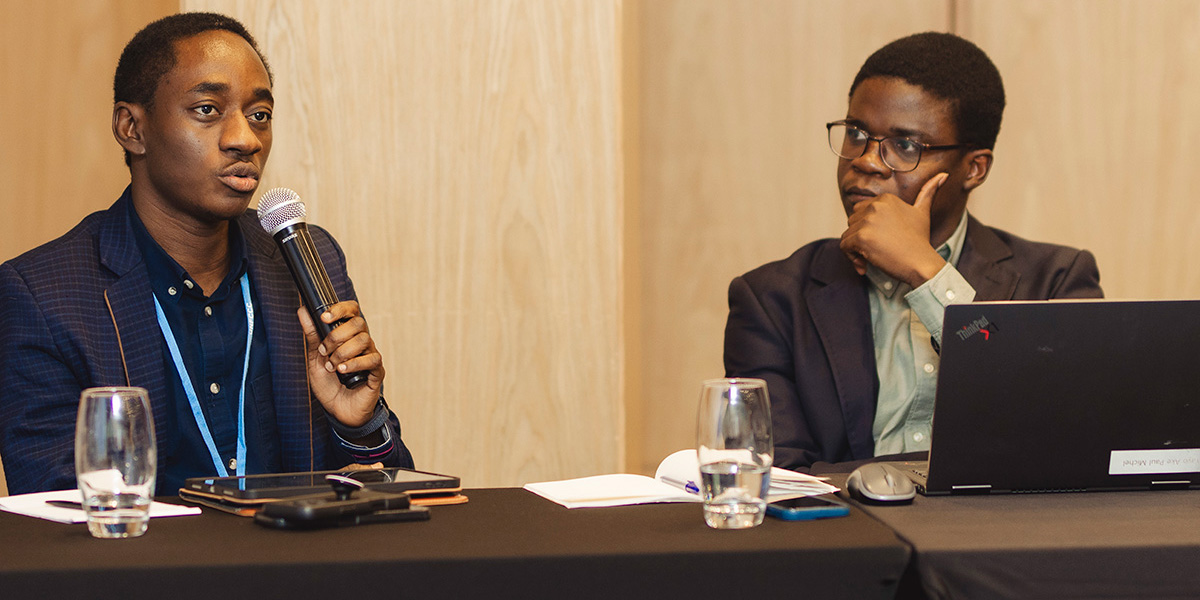
Participants share perspectives on accelerating National Adaptation Plan (NAP) implementation through enhanced coordination, technical assistance and finance at NAP Expo 2026 in Kigali, Rwanda. Photo: Mucyo Serge/UNDP
Opening the session, Teresa Rossi, Adaptation Advisor to Brazil's COP30 Presidency, said “developing countries urgently need scaled-up financial and technical support to implement their NAPs. To achieve this, and to accelerate their implementation, we need to move from fragmented support to systematic solutions, including more effective matching of adaptation needs to available technical and financial support.”
Country representatives shared various challenges in securing financial and technical support, while institutions including the NAP Global Network, GGGI, UN4NAPs and the Green Climate Fund reflected on lessons learned from existing collaboration models. Discussions prioritized country-led approaches to help governments articulate investment needs and build robust project pipelines. Participants emphasized that matchmaking must be sustained and demand-driven to effectively mobilize a wider range of financing sources.
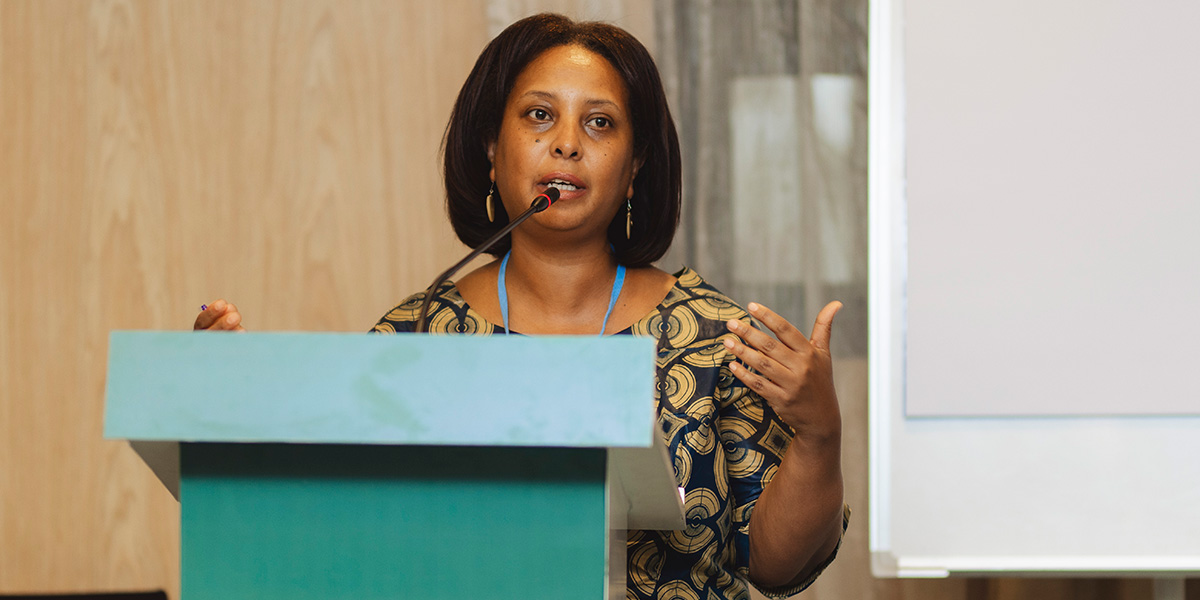
Gelila Terrefe, Senior Climate Change Policy Specialist, UNDP. Photo: Mucyo Serge/UNDP
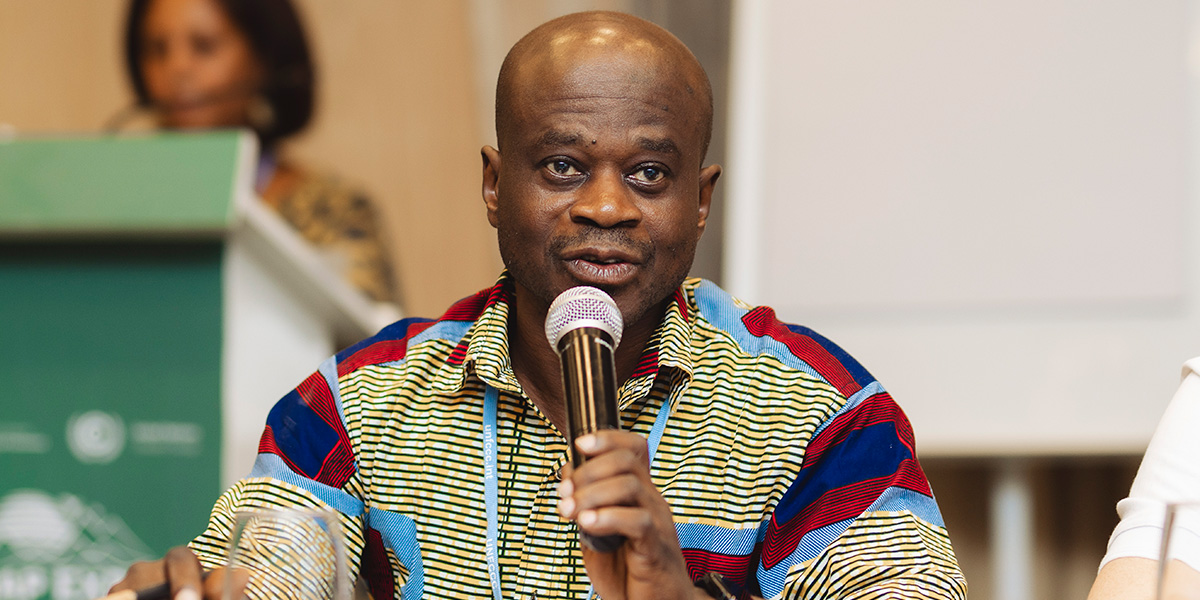
Dr. Nana Antwi-Boasiako Amoah, Director of Climate Vulnerability and Adaptation, Climate Change Department, Environmental Protection Authority (EPA), Ghana, and Chair of the African Group of Negotiators (AGN) Expert Support Group. Photo: Mucyo Serge/UNDP
Nana Antwi-Boasiako Amoah, Director, Adaptation, Climate Resilience and Risk Management, Environmental Protection Authority (EPA), Ghana, highlighted that the curated one-on-one model typically employed by vertical funds involved 'decompartmentalizing' the country's adaptation needs, and matching specific support providers to specific institutional or capacity-building needs in the country. There is a need to increasingly move towards programmatic approaches.
Nicholas Taylor, Lead, Adaptation and Resilience, Global Green Growth Institute, pointed out the need for coordination and matchmaking to address a ‘missing middle’ between the adaptation needs of developing countries and adaptation finance. He pointed to the promising example of the Global Trust Fund on Sustainable Financial Instruments that was established with the Government of Luxembourg to mobilize capital markets to support developing countries meet adaptation and broader development financing needs.
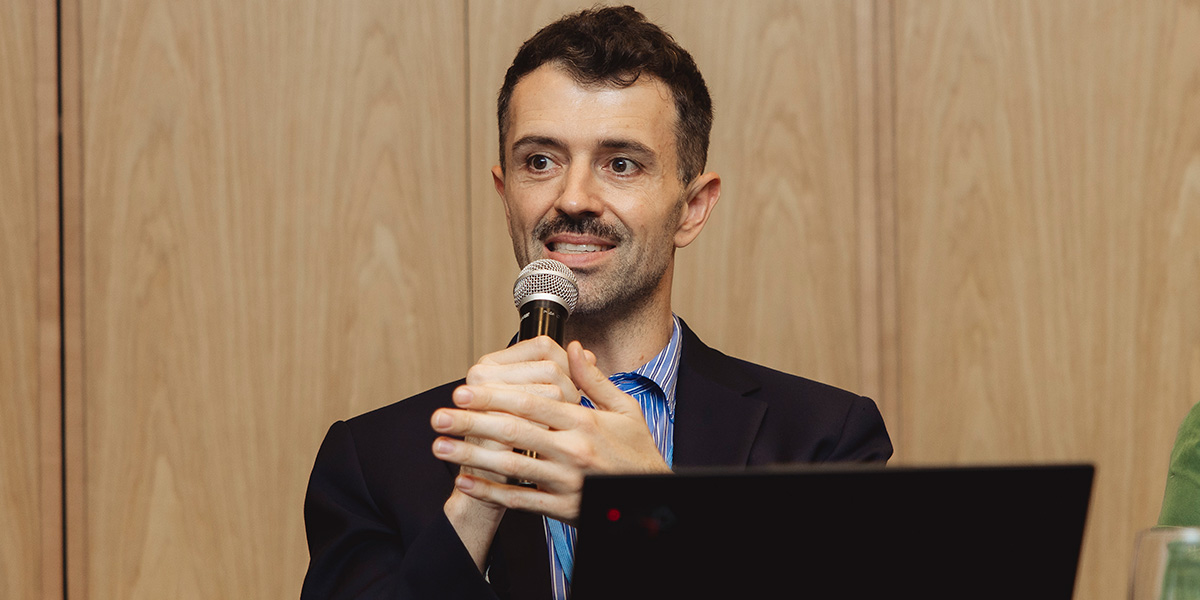
Nicholas Taylor, Lead for Adaptation and Resilience, Global Green Growth Institute (GGGI). Photo: Mucyo Serge/UNDP
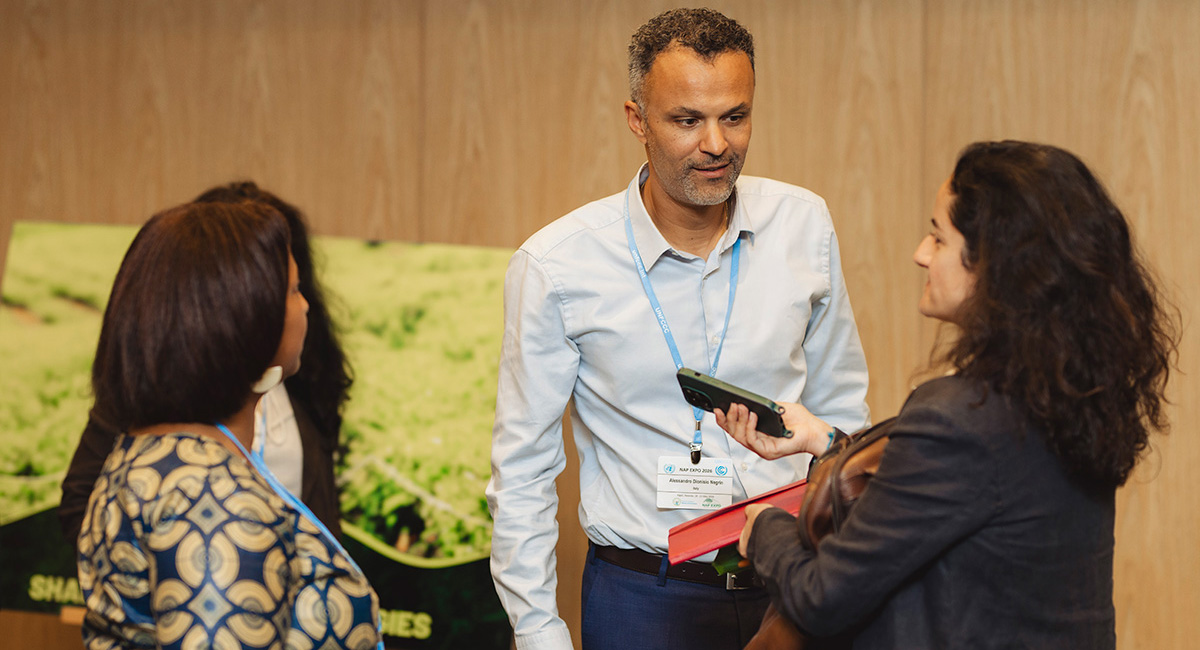
The event is part of the NAP Implementation Alliance’s broader efforts to bridge the gap between the technical and financial support needs of countries to implement their NAPs, and technical assistance providers and financing institutions. This effort to explore matchmaking models by the Alliance was welcomed by developing countries and bilateral, technical and financial partners alike, and deemed worth scaling. Launched by the COP30 Presidency in Belém, together with UNDP and the Governments of Italy and Germany, the Alliance aims to accelerate NAP implementation through improved coordination and support alignment.
Convened annually by the UNFCCC, the NAP Expo brings together global partners to advance national adaptation planning. This year’s Expo took place in Kigali, Rwanda, from 18–21 May 2026.
EXPLORE MORE STORIES
Matchmaking Symposium at NAP Expo brings countries and funders together to unlock adaptation finance


