
From Zimbabwe to Madagascar, early warnings are helping families prepare for floods and droughts, protect livelihoods and act before disaster strikes.

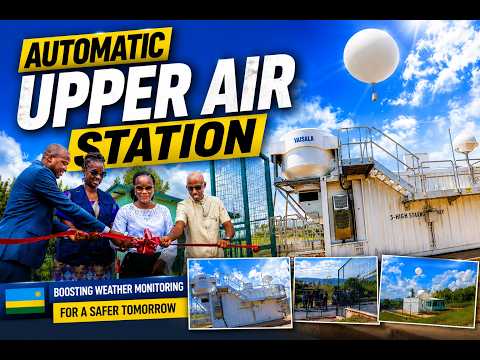
Rwanda has officially inaugurated its first-ever automatic upper-air station in Huye district, marking a major milestone in the country's meteorological and climate monitoring capabilities.
The vehicles will enable TMA technical teams to access weather observation stations, including those located in remote areas, supporting the installation, maintenance, calibration, and monitoring of meteorological equipment.

Speakers explored how new partnerships and financing solutions could strengthen early warning systems and resilience investments.

CIEWS act as a critical enabler for several other global goals, including ending poverty (SDG 1), reaching zero hunger (SDG 2), supporting good health (SDG 3), protecting clean water (SDG 6) and creating sustainable cities (SDG 11).

Watch this short video to discover how a weather station works, the instruments used to collect basic weather and climate data, and the improvements planned to bring the station up to agreed international standards.
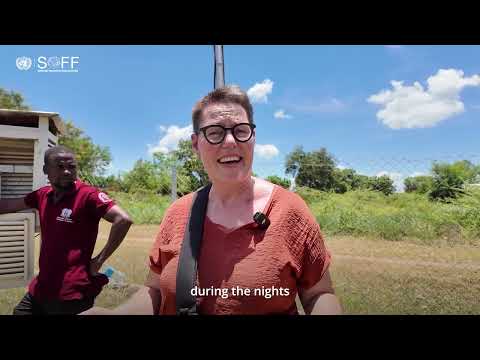
After nearly 20 years without upper-air observations, Malawi is restoring a critical component of its national meteorological system. The Government of Malawi, through the Department of Climate Change and Meteorological Services (DCCMS), launched the SOFF Malawi Project in partnership with UNDP Climate and the Systematic Observations Financing Facility (SOFF).
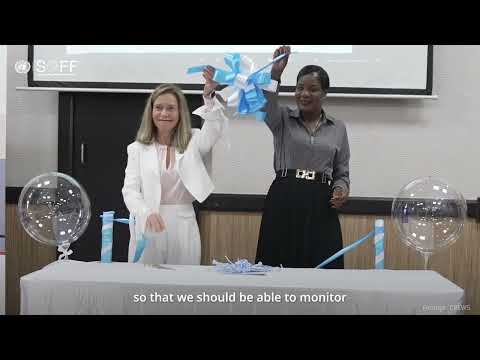
With support from the Systematic Observations Financing Facility, Cuba will strengthen its national weather observation network to improve the quality and accuracy of weather forecasts.

Upgrading stations and data systems to deliver timely, reliable forecasts and early warnings that protect lives and livelihoods nationwide.
